Jul 06, 2026
 100
100Audio & Video Equipment from China to Indonesia
Strong Demand, Careful Compliance, and Smart Logistics Planning

Professional meeting room audio-visual setup. Image source: Stimuli Sight & Sound.
For Indonesia importers and freight forwarder partners, audio and video equipment is not only a consumer product category. It is also a project-based cargo category serving offices, schools, hotels, malls, event venues, houses of worship, cinemas, retail stores, and entertainment projects. The demand is wide, but the logistics process requires careful product classification, document checking, packing control, and customs coordination. |
Indonesia’s commercial, education, entertainment, retail, and hospitality sectors continue to need reliable audio and video systems. Typical products include active speakers, amplifiers, mixers, microphones, projectors, LED display modules, display screens, video conferencing devices, set-top boxes, and related accessories.
Many buyers source from China because the supply chain is mature, product choices are wide, and factories can support OEM/ODM, project customization, flexible MOQs, and mixed shipments. For Indonesia freight forwarder partners, this creates regular opportunities in both FCL and LCL shipments, especially when projects require multiple suppliers to be consolidated in China before export.
However, this category should not be treated as “normal electronics” only. Some products may fall under mandatory safety standards, some may need radio-frequency or telecom-related approval, and some may require special handling because of fragile screens, speaker magnets, rechargeable batteries, or brand/trademark issues.

Projector, screen, and speaker installation in a training room. Image source: AV Architect.


Indonesia issued Regulation No. 75/2024 for mandatory SNI application on selected audio, video, and similar electronic devices. The regulation became effective on 2 June 2025, and the referenced standard is SNI IEC 62368-1:2014. Products listed in the regulation include certain LCD/CRT televisions up to 55 inches, standalone DVD/Blu-ray players, certain car audio players, standalone active speakers, and television set-top boxes. Before shipment, the exact HS code, product specification, model, use case, and consignee qualification should be reviewed carefully.
If the product has Bluetooth, Wi-Fi, radio transmission, cellular function, remote-control transmission, or telecom network capability, the importer should confirm whether DJID/SDPPI-type approval is required. This is especially important for wireless microphones, conference cameras, set-top boxes, smart audio devices, wireless speakers, and control systems.
For OEM or branded audio products, customs and consignee-side compliance teams may ask for trademark authorization, brand authorization, or supporting documents. If the cargo carries a famous brand, the China-side supplier and Indonesia-side importer should confirm authorization before export. Do not wait until the goods arrive at port to handle this issue.
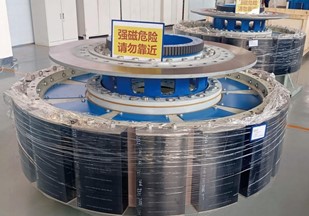
Some audio/video devices include built-in lithium batteries. Some professional speakers also contain magnetic components. Depending on the shipping mode and airline/carrier rules, battery documents, magnetic inspection, or additional declarations may be required. Air freight is usually more sensitive than sea freight for these points.

Professional speaker product. Image source: TRS ProAudio / Lingjie.
Fragile screens and electronic boards: Projectors, screens, LED modules, and control boards need anti-shock, anti-moisture, and pressure-resistant packaging.
Large volume but moderate weight: Speakers, cartons, racks, and display accessories may occupy high CBM. LCL cost and FCL utilization should be compared early.
Multiple suppliers in China: Projects often involve speakers from one factory, cables from another supplier, LED modules from another city, and control equipment from a different source. Consolidation must be planned well.
Model and document mismatch: Incorrect product names, model numbers, HS codes, or invoice descriptions may create customs questions in Indonesia.
Project schedule pressure: Events, hotel openings, retail stores, and school projects often have fixed installation dates. A small delay in booking, pickup, or customs clearance may affect the entire project timeline.

Wooden-frame packaging helps protect professional stage speakers during transportation. Image source: Sinbosen.
The best shipping plan depends on cargo type, urgency, value, size, and compliance status. For regular commercial orders, sea freight is usually more cost-effective. For urgent project spare parts, key components, or samples, air freight may be suitable, but battery, magnetic, and certification documents must be checked before booking.

ECBEC Limited is positioned as a trusted China-side logistics partner for Indonesia freight forwarder partners. For audio and video equipment shipments, our value is not only moving the cargo from one port to another. We help reduce uncertainty before the shipment starts.

Audio and video equipment from China to Indonesia can be a strong and repeatable business category, but every shipment should start with the right questions: What is the exact product? Is there a battery or wireless function? Is SNI or DJID/SDPPI approval required? Is the brand authorized? Is the packing strong enough for international transport? Are the invoice, packing list, FORM E, and HS code aligned?
When these details are checked early, the shipment becomes smoother, the importer becomes more confident, and the Indonesia freight forwarder partner can offer a more professional service to the final customer.
Work with ECBEC Limited We Handle the Logistics, You Take Care of the Relationship. If you have audio & video equipment shipments from China to Indonesia, let’s cooperate for smoother operations, stronger customer trust, and win-win growth. |
.png "图片5 (1).png")
 Mar 16, 2026
 Oct 19, 2026
 Oct 16, 2026