Oct 15, 2026
 17
Shipping Inflatable Amusement Equipment
from China
Coordinating packed dimensions accessories and project delivery dates
An inflatable slide may fill a large area when installed, yet leave the factory as a tightly rolled package. A complete attraction can also include separately packed blowers, pumps, connectors and repair materials. Getting the inflatable body to the destination is only part of delivering a usable set.
For rental companies, resorts, park operators and overseas freight forwarders, the challenge is keeping those packages together while controlling freight cost and meeting a project schedule. ECBEC coordinates supplier collection, consolidation and sea or air freight around the actual packing details and the buyer’s required delivery date.

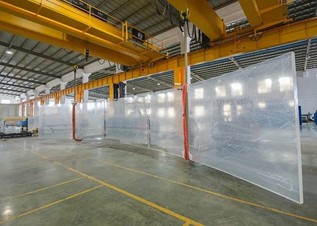
Inflated water park modules in a factory. Reference photo: Bouncia.
The installed length, width and height describe the attraction, but do not provide a freight quotation basis. The supplier needs to confirm the number of bags, cartons and pallets, with dimensions and gross weight for each package. Folding and packing methods can affect the final volume. [1]
ECBEC checks the packing list against supplier photographs and follows up where the figures describe the inflated product rather than the cargo. Pallets or additional protection must be included in the measurements. A preliminary quote can be reviewed once final packing details are available, before booking.
A large inflatable is not necessarily a lightweight package, and a compact roll may still require mechanical handling. Sea freight options depend on the total volume, weight, packaging and schedule. For air freight, both actual and volumetric weight can affect the charge. [2] We compare the applicable costs using the prepared cargo details.
Several blue or black bags may look almost identical after packing. Without a clear reference, the buyer can receive the correct total number of packages and still struggle to identify which modules and accessories belong together.
A practical packing list links each package to a project or attraction reference. ECBEC can coordinate shipping marks with the suppliers and compare received package counts and visible labels against that list. Missing packages or inconsistent references can then be raised before the shipment is closed.

Packed inflatable modules with identifying marks. Reference photo: Bouncia.
Depending on the design, an attraction may use continuous-air blowers or inflation pumps, together with connectors and other specified parts. Manufacturers commonly pack the inflatable bodies in bags and the blowers or pumps separately. [3] The buyer and supplier should agree the actual contents of each set.

Illustrative package groups only. Actual equipment and quantities depend on the order.
Warehouse receiving checks cover the agreed package counts, visible marks and external condition. Functional testing, seam inspection and confirmation of electrical suitability remain separate tasks for the manufacturer or an appointed inspector.
A flexible outer bag offers different protection from a rigid crate. Torn wrapping, exposed corners of other cargo or unsuitable stacking can leave the inflatable material vulnerable. Handling instructions should reflect the package weight and the manufacturer’s packing requirements.
Before collection or consolidation, ECBEC asks for packaging photographs and confirms whether pallets, additional wrapping or other protection are needed with the supplier and handling team. Stacking restrictions and lifting arrangements are passed on for the planned service. Bag handles should not be assumed suitable for mechanical lifting.

Factory photographs showing folding and packing. Reference photos: Omega Inflatables Factory.
For LCL shipments, the consolidation team needs the handling and stacking restrictions in advance. For FCL, the loading arrangement must take account of rolled packages, accessory cartons and any rigid components supplied with the set. Heavy items and sharp edges need appropriate separation and protection.
We request confirmation of external package condition at receiving and flag visible damage for resolution with the supplier. Where unloading facilities are limited, package weights and pallet arrangements are discussed with the destination party before dispatch so the receiving team can prepare suitable equipment.
A repair kit may include glue or another liquid as well as fabric patches. These items should be described individually. An SDS can help establish whether a product is classified as dangerous goods; acceptance depends on its actual properties and the selected transport service. [4]
ECBEC follows up on the contents and supporting documents before booking. Any preparation or separate shipment required by the carrier is coordinated with the shipper. A description such as “free repair kit” is not enough to complete that review.
An opening date needs time for clearance, onward delivery, installation and testing as well as the international journey. A vessel’s arrival date is therefore only one milestone. The supplier ready date and the date the site needs a complete set should both be clear at the quotation stage.
ECBEC coordinates the production updates with collection, warehouse receiving and available sailings. If suppliers finish at different times, the options may include holding for consolidation or moving a complete, usable group first. The buyer and supplier confirm which modules, pumps or blowers and accessories must travel together.

Rolled inflatable equipment secured on a pallet. Reference photo: Bouncia.
Sending one urgent component by air may help when the remaining equipment is already available at destination. Sending the main body ahead without its required blower or connectors may not help the opening schedule. The split should be agreed against the installation plan, with clear packing lists and documents for each shipment.
We compare suitable LCL, FCL and air freight options using cargo readiness, packed measurements and delivery needs. Quotes specify the agreed scope, and equipment, space and carrier acceptance are rechecked before booking. Changes to production or sailing dates are reviewed with you so the plan can be adjusted.
Share the supplier locations, destination port or delivery address, cargo ready dates and required site delivery date. Include the package list, packed dimensions, gross weights, photographs and accessory details. ECBEC can then review collection, consolidation and transport options for your inflatable equipment shipment from China.
We Know China, We Know SEA.
 Mar 16, 2026
 Oct 19, 2026
 Oct 16, 2026