Sept 23, 2026
 27
Shipping Industrial Electric Motors from China to Indonesia
An electric motor shipment can look straightforward until the packed weight, lifting method and exposed shaft are checked. For Indonesia freight forwarders handling factory equipment or replacement units, the most useful early step is to obtain a motor-by-motor packing list. It lets the China-side team plan pickup, lifting, container loading and the quote before the cargo reaches the port.

Industrial electric motor. Illustrative photo: VEM motors GmbH / Wikimedia Commons, CC BY-SA 4.0.
Ask whether the shipment contains bare motors, motors on skids, gearmotors, drives or spare parts. Record the model, quantity, serial number if available, new or used condition, and net and packed gross weights for each unit. The export invoice, packing list and crate marks should use consistent descriptions. The Indonesia importer and its customs broker should confirm the classification and import documents for the exact goods.
Dimensions must be measured after packing, including the base and any top lifting frame. A photograph beside a tape measure is useful when a heavy crate is close to the container door clearance. If the motor arrives with oil, grease, batteries or other ancillary items, declare those details for carrier review instead of describing the whole shipment simply as an electric motor.

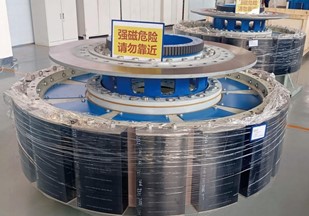
Large industrial motor in a factory setting. Illustrative photo: Thepointstoryline / Wikimedia Commons, CC BY-SA 4.0.
The motor should be supported by its frame or designed base. The packer should protect protruding shafts, terminal boxes and connectors from impact and keep lifting equipment clear of these components. Use only the lifting points and method specified for the model by its manufacturer; a lifting eye on a motor may be intended for the motor alone, not for an assembled machine or a heavy shipping base.
Agree with the supplier whether a shaft restraint or bearing protection is required for the specific motor and journey. Keep the equipment dry during packing and use suitable barriers or desiccants where condensation could be a concern. A before-and-after photo set should show the nameplate, shaft protection, lifting arrangement, packing base and final crate.

Industrial crate handled by forklift. Illustrative photo: VCCmatt / Wikimedia Commons, CC BY-SA 4.0.
A crated motor often concentrates a great deal of weight on a small footprint. Confirm the gross weight of each crate, its base contact points and forklift pockets before selecting the loading equipment. The loading team should check container payload, floor loading and door clearance for the actual container supplied, then position and secure the crates so they cannot shift in transit. Photograph the securing work before the doors are closed.
For solid wood crates or dunnage, confirm compliant treatment and marks under ISPM 15 where applicable. If the unit is too large or cannot be loaded safely through a standard container door, obtain a specific open-top or flat-rack review with a drawing, packed dimensions, gross weight and proposed lifting and securing plan. Carrier acceptance and special-equipment space are sailing-specific.

Container loading by forklift. Illustrative photo: Goterrestrial / Wikimedia Commons, CC BY 4.0.
A practical enquiry includes the supplier pickup address, cargo-ready date, sale term and named place, port of loading, Indonesia port and delivery address if needed, crate count, packed size and gross weight of each crate, commodity description, photographs and any special lifting or unloading needs. State whether pickup, export handling, crating, container stuffing, lashing, ocean freight and destination delivery are requested. This lets agents compare the same scope rather than freight figures with different omissions.
ECBEC can coordinate supplier pickup in China, review the packed cargo information, arrange export handling and plan the ocean leg with the overseas agent. Share the motor list, drawings and packing photos early so the loading method and any carrier approval can be checked before booking. Rates, schedules and equipment remain subject to carrier confirmation.

 Mar 16, 2026
 Oct 19, 2026
 Oct 16, 2026